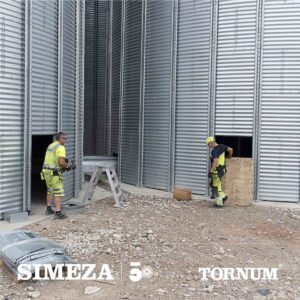
A silo designed in Zaragoza ends up in Bangladesh, in Australia, and in Saudi Arabia. The climate changes. The commodity changes. The regulatory environment changes. The operator standing at the mechanization outlet every morning has needs that stay remarkably consistent.
They want a discharge that works completely. Access that doesn’t require acrobatics. A ventilation system that can be maintained, not just installed. Doors that open in the rain without a second thought.
After fifty years and installations across five continents, I can tell you that every time we’ve got those details right, the client comes back. Every time we’ve treated them as minor, something goes wrong that a drawing table never predicted.
We didn’t become the world’s largest hopper silo manufacturer by having the best brochure. We got there by listening to engineers in Scandinavia dealing with snow loads, to operators in the Gulf managing humidity, to project managers in East Africa working with infrastructure that doesn’t arrive on schedule.
A silo plant lasts a lifetime. So does the lesson it teaches you.
What has your experience in the field taught you about grain storage design? Share it with us here