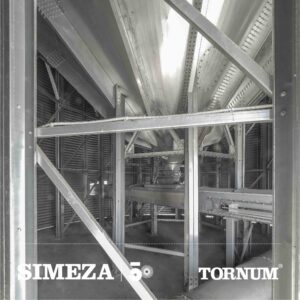
With a flat-bottom design, complete discharge depends on a sweep auger, a mechanical system that moves through the grain to clear the floor. It adds cost, maintenance exposure, and complexity to an operation that could be simpler.
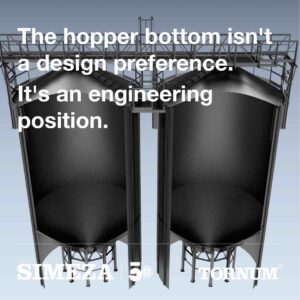
With a hopper bottom, gravity does the work. Grain discharges completely through the base, without mechanical intervention. No residue. No auger to maintain. No contamination risk between cycles.
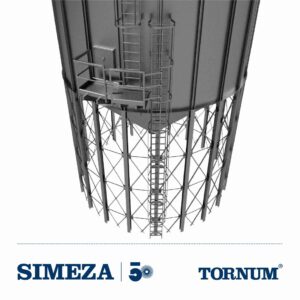
It’s an engineering position on grain quality, discharge efficiency, and long-term operational cost. It also means less civil works at the foundation stage, because hopper silos require a smaller concrete footprint than flat-bottom alternatives.
For plant engineers and agribusiness infrastructure managers, the discharge decision shapes the economics of every load cycle from the first day of operation to the last.
We’ve been making the case for hopper design for 50 years. The numbers make it themselves.
If you’re specifying storage for a new plant, contact us here