victor@barajaseditores.com

When the regulation is the hardest in the world, the engineering has to start from the foundation up.

Australia’s fumigation regulations are the most demanding in the world. That’s not a figure of speech. The Australian standard for grain storage fumigation requires full system sealing: structural integrity, airtight mechanical penetrations, and documented compliance at every point of the installation. There is no partial pass. When SIMEZA Silos received the brief for a project […]

When the regulation is the hardest in the world, the engineering has to start from the foundation up. Read More »

Where the harvest ends, the infrastructure problem begins.

Post-harvest grain losses in Sub-Saharan Africa reach 30–40% in some regions. The problem isn’t yield. Farmers across the region are producing. The gap is what happens after the harvest: inadequate storage, poor sealing, no temperature control, no fumigation infrastructure. When grain sits in conditions it wasn’t engineered for, it deteriorates. That’s not a farming failure.

Where the harvest ends, the infrastructure problem begins. Read More »

The hopper bottom isn’t a design preference. It’s an engineering position.

With a flat-bottom design, complete discharge depends on a sweep auger, a mechanical system that moves through the grain to clear the floor. It adds cost, maintenance exposure, and complexity to an operation that could be simpler. With a hopper bottom, gravity does the work. Grain discharges completely through the base, without mechanical intervention. No

The hopper bottom isn’t a design preference. It’s an engineering position. Read More »

What a drawing table never teaches you. Fifty years of operators did.

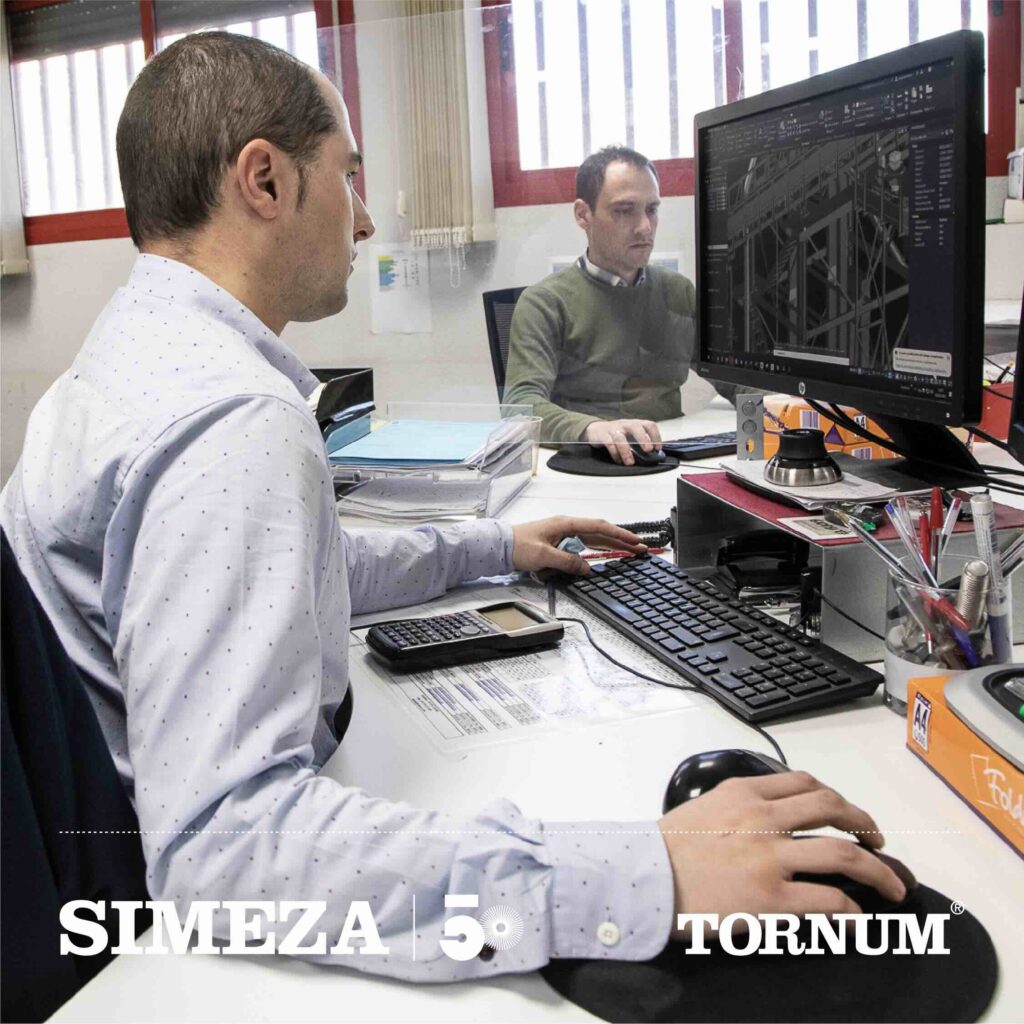
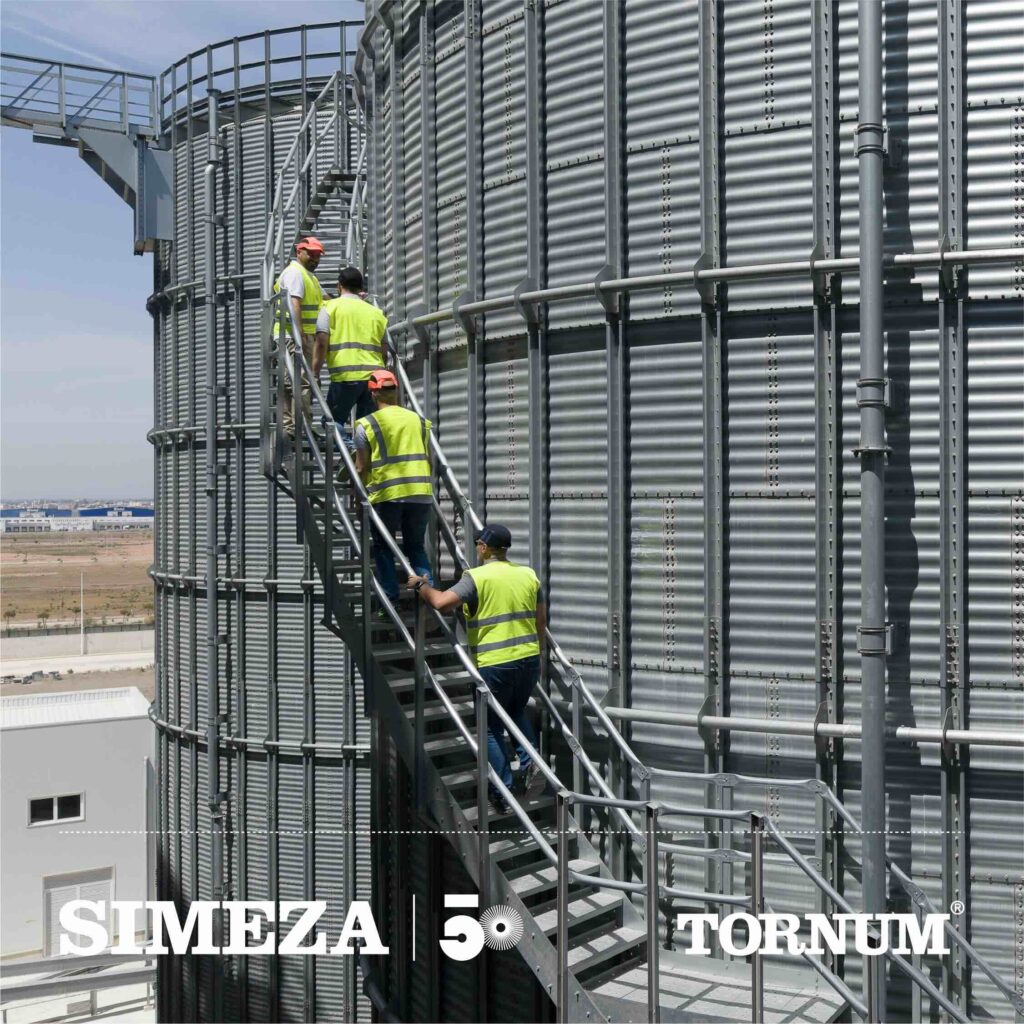
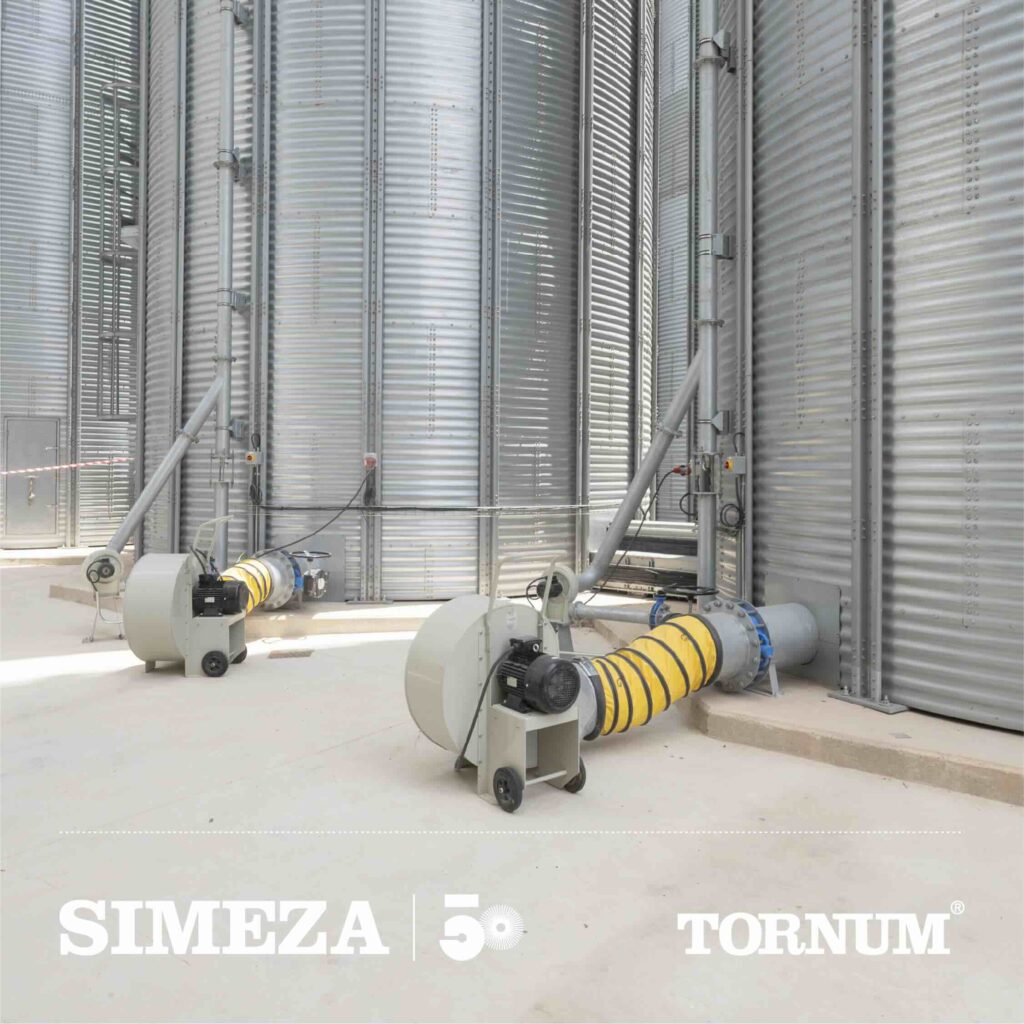
A silo designed in Zaragoza ends up in Bangladesh, in Australia, and in Saudi Arabia. The climate changes. The commodity changes. The regulatory environment changes. The operator standing at the mechanization outlet every morning has needs that stay remarkably consistent. They want a discharge that works completely. Access that doesn’t require acrobatics. A ventilation system

What a drawing table never teaches you. Fifty years of operators did. Read More »

The world’s largest hopper bottom silo installation. Four units. One engineering team. One record.

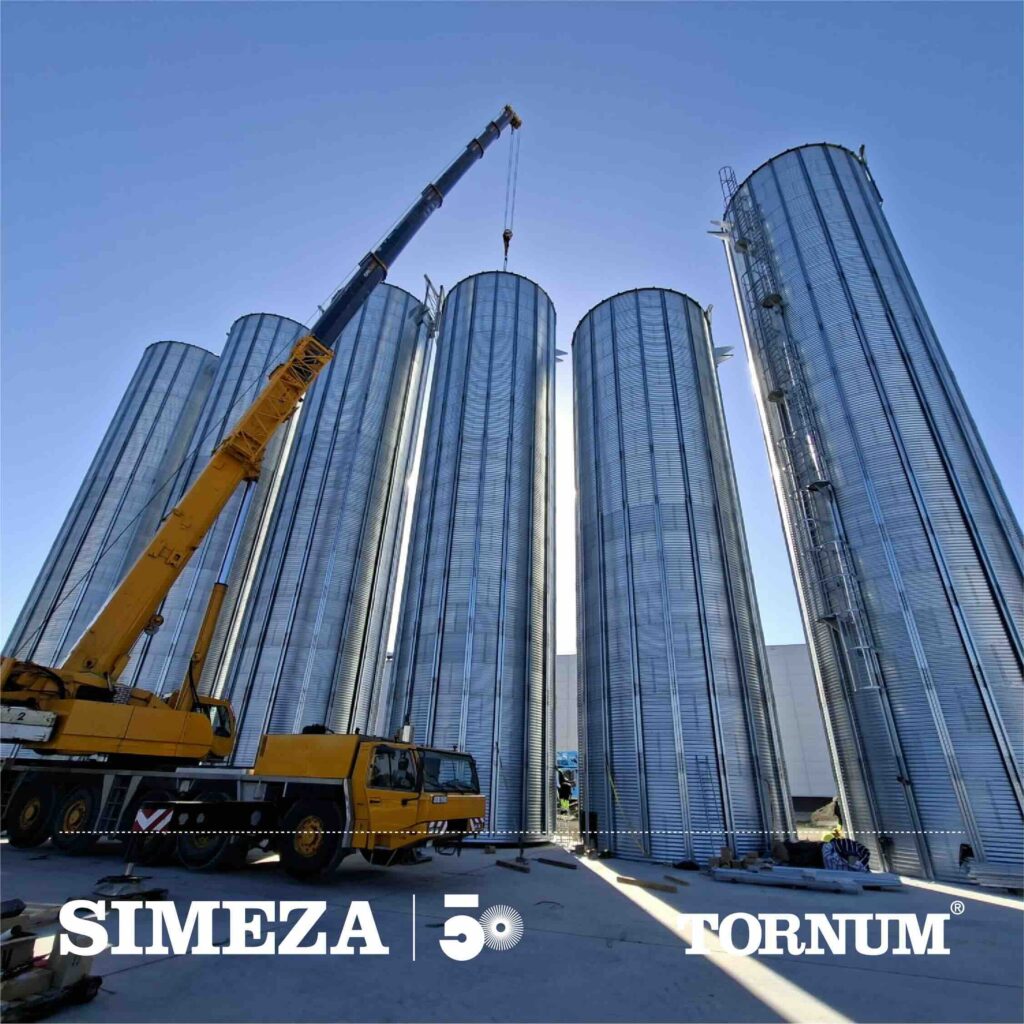
Four hopper bottom silos. 3.000 tM capacity each. 13.8 metres in diameter. 12.000 tM total. The largest hopper-bottom silo installation ever built. Numbers like these don’t happen by accident. They are the result of a manufacturing process that scales without shortcuts: steel panels fabricated to specification, structural loads calculated for real operating conditions, and a

The world’s largest hopper bottom silo installation. Four units. One engineering team. One record. Read More »

A grain operation runs on more than grain. Water storage built to the same standard.

A grain storage plant is only as reliable as the infrastructure around it. In Pazardzhik, Bulgaria, our client ISAV needed more than silos. They needed a dependable water storage solution: purpose-built, ready to perform, and consistent with the structural quality of the rest of their agricultural facility. We supplied a 100 m³ DPT Water Tank:

A grain operation runs on more than grain. Water storage built to the same standard. Read More »

Grain storage and water supply: one project, one partner. That’s what 360-degree solutions means in practice.

A farm doesn’t run on grain storage alone. When operators come to us with complex sites, where they need to store grain and manage water supply, they often expect to coordinate two separate suppliers, two separate projects, two separate headaches. We think that’s an unnecessary complication. @[SIMEZA Silos](urn:li:organization:11009882)’s steel technology applies to more than silos.

Grain storage and water supply: one project, one partner. That’s what 360-degree solutions means in practice. Read More »

Built in Spain. Delivered anywhere. How a 5.000-tonne silo fits inside standard shipping containers.

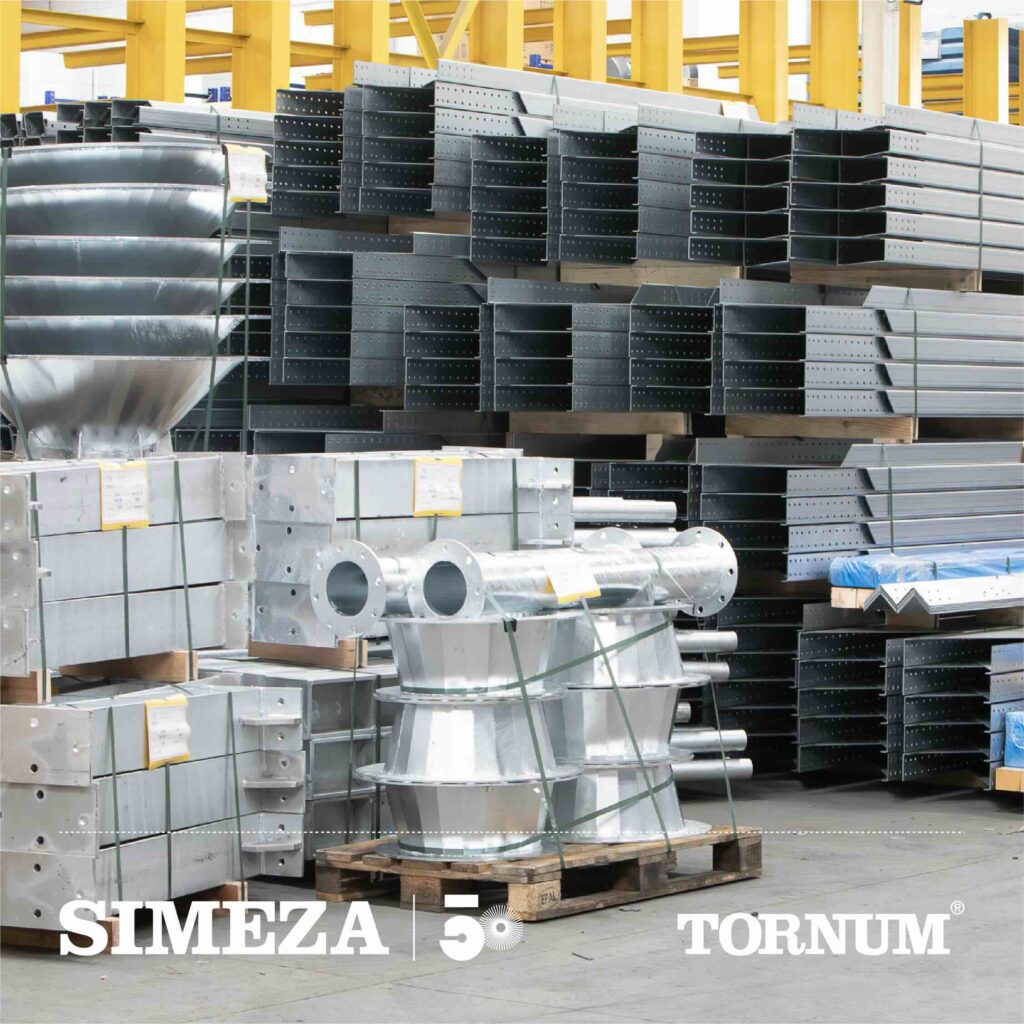
There is a question we get regularly from clients in West Africa, Southeast Asia, and Latin America: “How long does it take to get the silo here?” A SIMEZA hopper silo with a 5,000-tonne capacity does not leave our Utebo facility as a single structure. It leaves as a precisely sequenced set of corrugated steel

Built in Spain. Delivered anywhere. How a 5.000-tonne silo fits inside standard shipping containers. Read More »

One door. Every inspection, every cleanout, every year of operation.

Most silo manufacturers treat the access door as an afterthought. The oversized access door on a SIMEZA silo is engineered for the person who will actually use it: the operator who needs to inspect grain condition after a humid season, the maintenance crew carrying tools inside for a full cleanout, the team working against the

One door. Every inspection, every cleanout, every year of operation. Read More »

Post-harvest loss isn’t a farming problem.It’s a storage problem, and the data proves it.

Every year, the world loses enough grain to feed 1 billion people.Not in the field. After the harvest. Post-harvest losses are one of the most underreported challenges in global food security, and the figures vary sharply by region: 📍 Sub-Saharan Africa: losses range from 20% to 40% of total grain production, driven by inadequate storage

Post-harvest loss isn’t a farming problem.It’s a storage problem, and the data proves it. Read More »